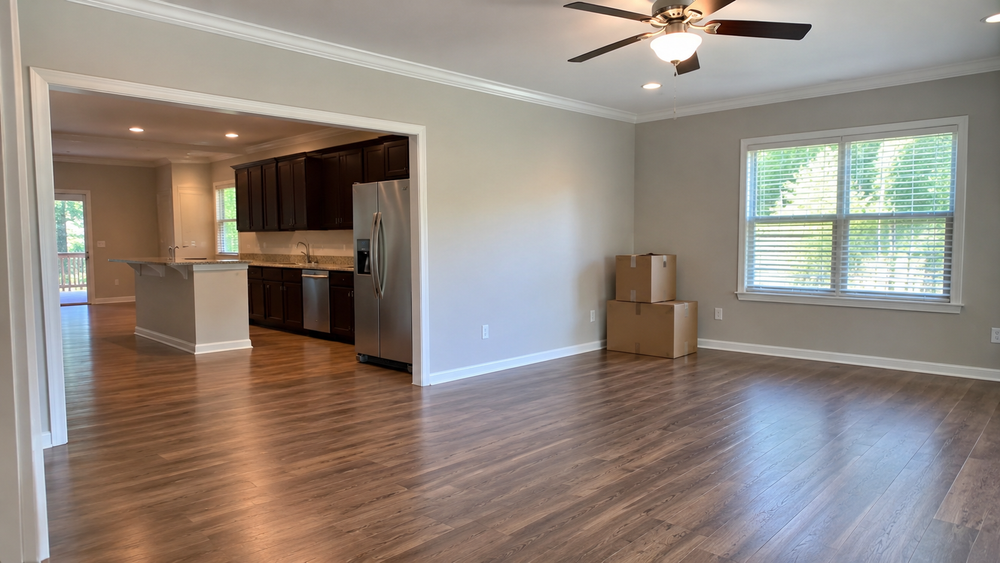
The moving truck is scheduled. The keys are ready. There are boxes stacked somewhere, a long list of addresses to update, and at least one piece of furniture that still needs to be measured.
But inside the new house, something unusual is happening.
For a short time, almost every surface is accessible.
There is no sofa blocking the baseboards, no dining table covering the floor, no bed occupying the bedroom, and no collection of kitchen supplies filling the cabinets.
It is one of the few moments when an entire home can be examined and cleaned without constantly moving belongings out of the way.
Whether the property is in Greenville, Greer, Simpsonville, or another Upstate South Carolina community, that window between receiving the keys and bringing in the furniture is worth using carefully.
A thoughtful move-in cleaning plan does more than make a home look welcoming. It creates a practical starting point for the people about to live there.
48 Hours Before Moving: Walk Through the Empty House
Before opening cleaning products or bringing in equipment, walk through the property with the lights on.
Look at it as a home you are preparing to use, rather than a home you are simply inspecting.
Open the kitchen cabinets. Look inside drawers. Check the lower corners of closets. Observe the edges of bathroom floors, interior window tracks, and the areas around built-in appliances.
A vacant house may appear clean from the doorway while still containing remnants of its previous use.
Cabinet shelves may have crumbs or dust. A refrigerator may have sticky residue beneath its drawers. Baseboards may show buildup behind places where furniture stood for years.
Small scuff marks can remain on doors and walls. Dust may have settled in window tracks or around closet shelving.
These details are easier to identify before boxes and furniture change the layout of the rooms.
Take a few photographs of any areas that need special attention, particularly if you plan to arrange professional move-in cleaning.
Keep a separate record of actual property damage, leaks, or maintenance concerns. Cleaning cannot correct every condition found during a walkthrough.
Separate Cleaning Tasks From Repairs
A stained cabinet shelf might need cleaning, but a water-damaged cabinet may need repair.
A dusty air vent cover can often be wiped, while a malfunctioning HVAC system requires qualified maintenance.
Similarly, a marked wall may need a gentle wipe, a paint touch-up, or a more substantial repair depending on its condition.
Identifying these differences before moving day helps prevent frustration and allows cleaning time to be used effectively.
24 Hours Before Moving: Give the Kitchen Priority
The kitchen is one of the most useful rooms to clean while it is completely empty.
Once dishes, appliances, food, and storage containers arrive, access becomes more complicated.
Start with the interiors of cabinets and drawers.
Remove loose debris using a vacuum or dry cloth, then wipe surfaces with a product compatible with the cabinet material. Avoid saturating unfinished wood or particleboard.
Pay attention to shelf corners, drawer tracks, and the underside of cabinet edges.
Allow everything to dry before placing shelf liners, dishes, or pantry items inside.
Inside the Refrigerator
If the refrigerator is included with the property, inspect it before transferring groceries.
Shelves, door compartments, and removable drawers may need individual attention.
Clean removable components according to the manufacturer's instructions, and allow glass shelves to reach an appropriate temperature before washing them to avoid sudden temperature changes.
Check the interior seals and the areas where crumbs or spills can collect.
Once the appliance is clean, dry, and functioning at the proper temperature, it can be prepared for food storage.
The Oven and Other Appliances
A stove can look clean on the outside while still containing residue around burners, knobs, oven racks, or the interior door.
Inspect these areas before deciding what type of cleaning is appropriate.
Use only methods approved for the appliance. Avoid spraying products into controls, heating elements, or electrical openings.
If the home contains a microwave, dishwasher, or other built-in appliance, inspect its accessible interior surfaces and seals as well.
Moving into a home is easier when the appliances are ready to use rather than becoming separate cleaning projects during the first week.
Before the Boxes Arrive: Work From High Surfaces to Low Ones
Empty rooms provide better access to the areas that are usually hidden.
Begin with reachable high surfaces, including shelving, door frames, and accessible trim.
Dust moves downward during cleaning, so it makes sense to address elevated areas before the floors.
From there, work toward lower shelves, baseboards, closet corners, and floor edges.
Consider the following spaces individually.
Closets
An empty closet can contain dust on shelves, along clothing rods, and behind the door.
Wipe appropriate surfaces, clean the corners, and vacuum or mop the floor according to its material.
Make sure the closet is fully dry before hanging clothes or placing storage boxes inside.
Window Tracks and Frames
Window tracks can collect dirt, fine debris, and occasional insect remains.
A vacuum crevice attachment and a soft brush may help remove loose material.
Avoid forcing water or cleaning solution into drainage openings. Check that weep holes remain unobstructed, and do not attempt repairs to damaged window components.
Window glass may already look clear even when the surrounding track requires attention.
Doors and Baseboards
Doors often develop fingerprints near handles and subtle marks along their lower sections.
Baseboards can hold dust where flooring meets the wall, especially behind the furniture positions used by previous occupants.
These surfaces are easier to clean thoroughly when the rooms are open.
Choose cleaning methods based on the paint or finish, since aggressive products may damage delicate coatings.
Moving Morning: Protect the Floors You've Just Cleaned
Floors are one of the biggest advantages of cleaning before furniture arrives.
Without beds, tables, and cabinets occupying the rooms, the entire accessible surface can be vacuumed or mopped in a continuous process.
The correct method depends on the flooring.
For hardwood, remove grit and use minimal moisture with a finish-compatible product.
For laminate, avoid standing water and follow the manufacturer's cleaning recommendations.
For tile, remove loose particles before using a suitable cleaning solution.
For carpet, vacuum accessible edges and corners, remembering that an ordinary vacuum cannot correct every stain or remove all deeply embedded residue.
Once the floors are clean, allow them to dry completely.
Then prepare for the moving crew.
Clean floors can quickly become dirty again when people carry furniture in from a driveway or sidewalk. In Upstate South Carolina, rain and damp outdoor surfaces can make this especially noticeable.
Use clean, slip-resistant floor protection where appropriate, along with properly positioned entry mats.
Avoid unsecured plastic sheeting or coverings that could create a tripping hazard.
It is also wise to keep felt pads or suitable furniture protectors available for items that will be placed on hard flooring.
The Bathroom Should Be Ready Before Anyone Unpacks
The bathroom is likely to become one of the first rooms used on moving day.
That makes it an important part of move-in preparation.
Clean accessible sink surfaces, countertops, mirrors, the toilet, and the shower or bathtub.
Inspect areas around the faucet, shower fixtures, and drain openings for visible buildup.
Check cabinet interiors before placing toiletries or towels inside.
Also test whether the toilet flushes correctly, the faucets run as expected, and the fixtures show signs of leakage.
These checks do not replace a home inspection or plumbing assessment. They simply help reveal problems that might otherwise be discovered when the household is already busy.
Make sure the bathroom has toilet paper, hand soap, and a clean hand towel available before the first boxes arrive.
It is a small preparation that can make a long moving day noticeably easier.
What Changes in a Newly Built Home?
A newly constructed house may require a different cleaning approach from a previously occupied one.
Even after builders finish their work, fine construction dust can remain on accessible surfaces.
You might find particles inside cabinets, on window tracks, along baseboards, or around floor edges.
Before cleaning, confirm that construction work is complete and that contractors are no longer producing dust.
Some materials, including new floors, cabinets, and countertops, may have specific care requirements.
Avoid aggressive cleaning products or methods that could affect new finishes or warranties.
For significant construction dust or suspected hazardous materials, use appropriately qualified professionals and equipment rather than treating the situation as ordinary household cleaning.
A move-in cleaning appointment is not automatically equivalent to specialized post-construction remediation, so the condition of the property should be discussed beforehand.
Why Timing Matters More Than the Size of the House
A large house with little buildup may be easier to prepare than a smaller property with heavily used appliances, dusty storage areas, and neglected fixtures.
Similarly, a newly renovated home may look fresh while still needing careful surface cleaning.
The best time to schedule a move-in cleaning is generally after repairs, painting, and other dusty work have finished, but before the majority of furniture and personal belongings arrive.
If that schedule is not possible, prioritize the areas that will become difficult to reach after unpacking.
Cabinet interiors, closet shelving, appliance interiors, and floors beneath large furniture deserve early attention.
Remember to arrange electricity, water, and safe access to the property before the cleaning appointment.
Professional cleaners cannot properly assess or clean many surfaces when essential utilities are unavailable.
Where Move-In Cleaning Fits Into the Plan
Blessed Maid Cleaning offers Move In/Out Cleaning for residential properties in Greer, Greenville, and other communities in its Upstate South Carolina service area.
According to the company's published service information, this service focuses on detailed cleaning during a residential transition, including cabinet and drawer interiors, appliance surfaces, baseboards, and window tracks and frames.
Exact inclusions depend on the property and the agreed service scope.
For homeowners preparing to move, it is helpful to explain whether the property is vacant, partially furnished, newly renovated, or previously occupied.
Mention appliances that need attention and any rooms that should be prioritized before furniture delivery.
Clear communication makes it easier to plan a cleaning that matches the actual condition of the home.
The Final Walkthrough Before Opening the Door
Just before the moving truck arrives, make one last trip through the house.
Check that cabinet shelves are dry. Look for leftover debris in closets. Confirm the bathrooms are ready and that the floors are safe to walk on.
Make sure cleaning supplies and equipment have been removed from the path where movers will carry furniture.
Then take a moment to look at the empty rooms.
Soon there will be a couch against one wall, a bed beside the window, dishes in the kitchen, and shoes near the entrance.
The home will begin collecting the ordinary signs of daily life.
That is exactly what it is supposed to do.
The purpose of cleaning before the first piece of furniture arrives is not to preserve an empty house. It is to give the next chapter of that house a cleaner beginning.